Mind Goes Blank During Job Interviews? Here's the Real Fix
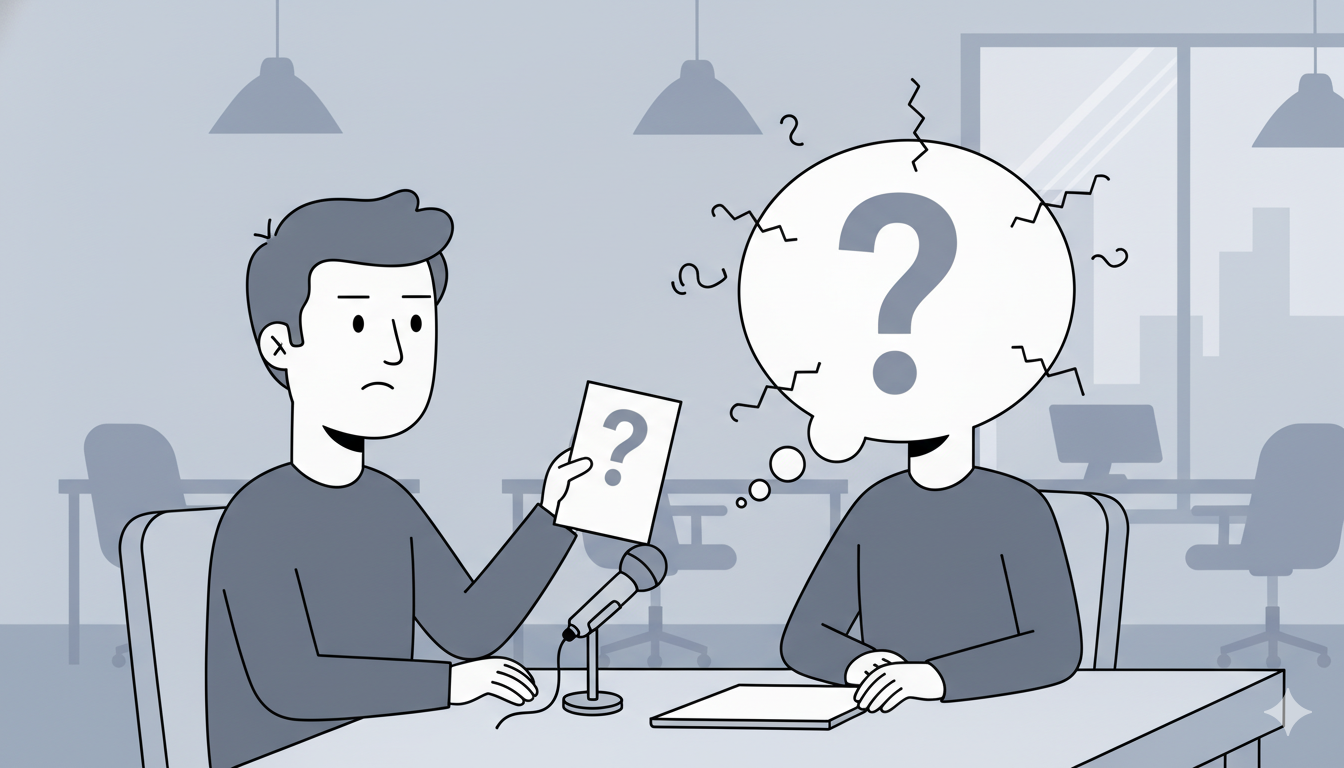
It’s the moment every job seeker dreads. You’ve prepared for days, your suit is pressed, and you’ve researched the company’s mission statement until you can recite it in your sleep. Then, the hiring manager leans forward and asks a standard question: "Tell me about a time you handled a difficult conflict."
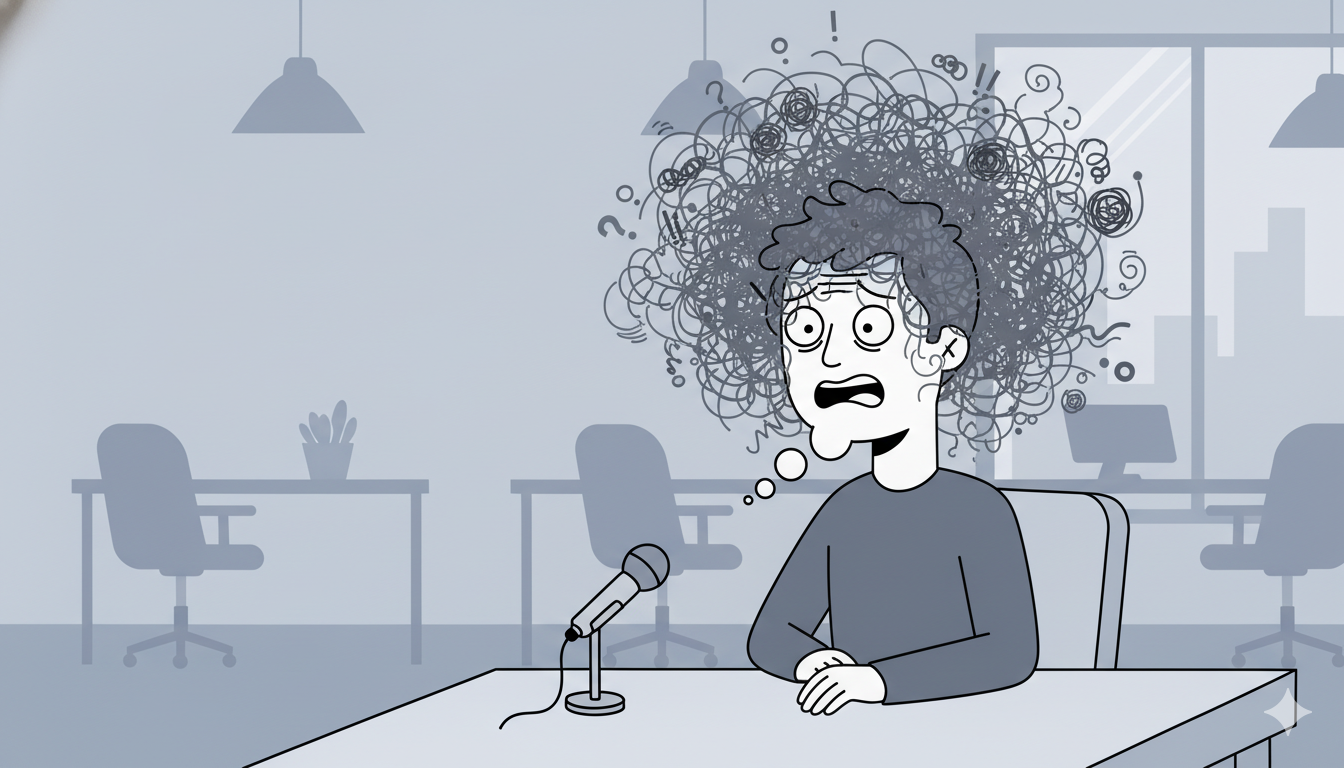
Suddenly, your brain feels like a computer that just pulled its own plug. Your heart races, your palms sweat, and for the life of you, you can’t remember a single thing you’ve ever done in your professional career.
If this sounds familiar, you aren’t "bad at interviewing." You are experiencing a physiological response known as the amygdala hijack.
Here is the real fix for why your mind goes blank and how to ensure it never happens again.
1. Understand the Science: Why Your Brain Shuts Down
Before you can fix the problem, you have to understand that this isn't a character flaw—it’s biology.
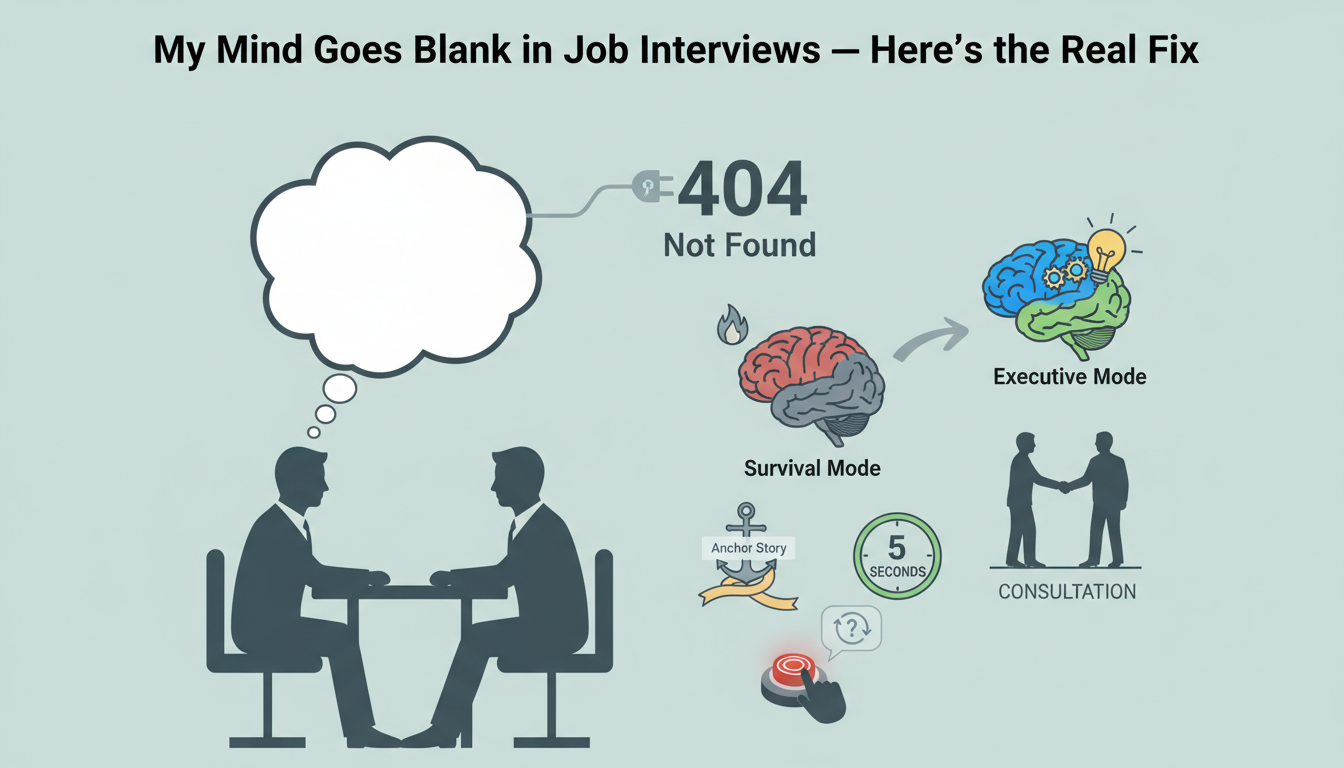
When you perceive an interview as a "high-stakes threat," your brain’s amygdala triggers the fight-or-flight response. This floods your body with cortisol and adrenaline. Crucially, it also temporarily "shuts down" the prefrontal cortex—the part of your brain responsible for complex decision-making, memory retrieval, and logic.
The Fix: You need to move your brain from "Survival Mode" back into "Executive Mode."
2. The "Anchor Story" Method
Most people try to memorize specific answers to dozens of potential questions. This is a mistake. Memorization creates a "brittle" memory; if you forget one word, the whole structure collapses.
Instead, use the Anchor Story Method. Identify 4–5 versatile stories from your career that demonstrate multiple skills (e.g., leadership, problem-solving, and adaptability).
How to build them:
The STAR Method: Structure every story by Situation, Task, Action, and Result.
The "Swiss Army Knife" Approach: Choose stories that can answer five different questions. A story about a project delay can be used to answer questions about time management, conflict, failure, or communication.
By focusing on five deep stories rather than fifty shallow answers, your brain has less to "search" for when the pressure is on.
3. Implement the "Five-Second Buffer"
When a question is asked, the silence that follows can feel like an eternity. To avoid the panic that leads to a blank mind, you must normalize the pause.
The Real Fix: Never start speaking the moment the interviewer stops.
The "Great Question" Pivot: Say, "That’s a great question. Let me take a second to think of the best example for you."
The Water Sip: Take a slow sip of water. This gives you a natural 5–10 second window to let your prefrontal cortex catch up without the awkwardness of dead silence.
4. Reframe the Power Dynamic
Mind-blanking often stems from the feeling that you are being "interrogated" or "judged." This creates a power imbalance that spikes anxiety.
The Real Fix: Reframe the interview as a consultation.
Instead of thinking, "I hope they like me," think, "I am a professional here to see if my skills can solve their specific problems." When you view yourself as a peer or a consultant, the stakes feel more manageable, and your brain stays in "problem-solving mode" rather than "pleasing mode."
5. The Emergency Protocol: What to do when it happens
Despite all your preparation, you might still hit a wall. If your mind goes completely blank mid-interview, do not panic. Use this three-step emergency protocol:
Be Transparent: Say, "You know, I had a great example for this, and it’s just slipped my mind for a moment. Can we circle back to this one in a few minutes?"
Ask for Clarification: Say, "I want to make sure I’m giving you the most relevant information. Are you more interested in the technical side of that project or the team management side?" (This often jogs your memory).
Ground Yourself: Discreetly press your feet into the floor or pinch the tip of your finger. Physical sensations can help "ground" you and pull your brain out of a spiral.
Final Thoughts
Going blank in an interview isn't a sign that you're unqualified; it's a sign that you're human. By moving away from memorization and toward Anchor Stories, and by giving yourself permission to pause, you take the power away from your anxiety.
Next time you head into an interview, remember: they aren't looking for a perfect script. They are looking for a calm professional who can handle pressure. By using these fixes, you’re proving you’re exactly that person.