How to Handle Tough Interview Questions When You're Blanking
We’ve all been there. You’re in the middle of a high-stakes job interview, feeling confident, when the interviewer lobs a question at you that feels like it’s written in a foreign language. Your mind goes blank. The clock is ticking, and the silence in the room suddenly feels deafening.
Don’t panic—it isn't necessarily the end of the road. Employers often use challenging, off-the-wall questions to test your problem-solving process rather than your encyclopedic knowledge. Here is how to navigate a mental block without losing your cool.
1. Embrace the Pause (The Strategic Breath)
When you can’t think of an answer immediately, your instinct is to blurt out "I don't know" or start rambling to fill the silence. Avoid both.
Take a deep breath and give yourself permission to pause. You can even vocalize it: This buys you 5–10 seconds of reflection time and makes you appear thoughtful rather than flustered.
"That’s a fascinating question; let me take a moment to think about the best way to approach that."
2. Pivot to What You Do Know
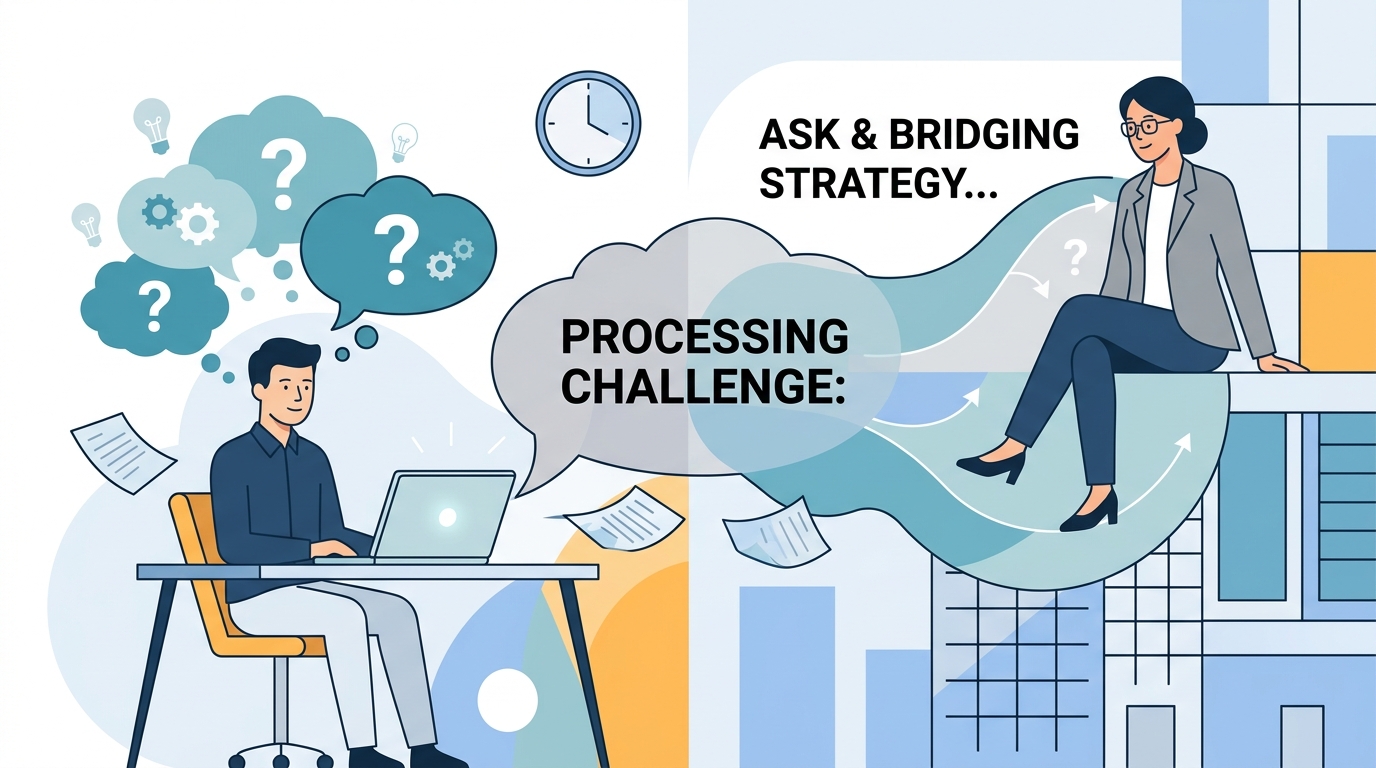
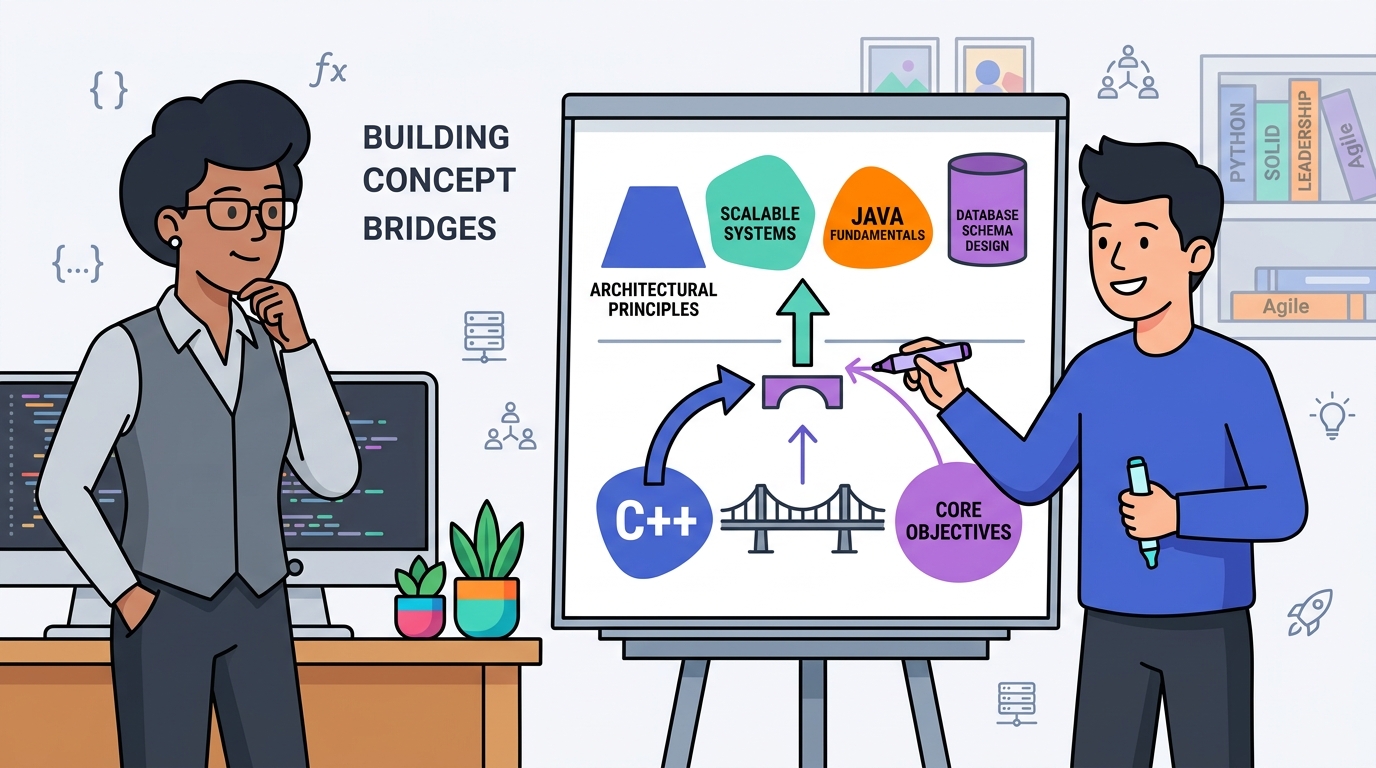
If you lack a direct answer to a technical question, don’t pretend. Instead, bridge the gap between what you don't know and what you can offer. Break down the components of the question that you do understand.
Acknowledge the gap: "I haven't had the opportunity to work with [Software X] directly."
Show your logic: "However, I have experience in [Similar Tool Y], and my approach would be to focus on [Core Principle Z] to reach the objective."
This demonstrates intellectual agility and a growth mindset.
3. Ask for Clarification
Sometimes, the question isn’t actually about a "right" answer. If you are struggling, it’s possible the interviewer didn’t express their intent clearly. Politely turning the table can help:
"I want to ensure I give you a comprehensive answer—are you more interested in my process for managing this type of project, or are you looking for the specific tools I would implement?"
Asking for clarification buys you even more time and helps you frame a relevant answer based on their priorities.
4. Think Out Loud
In technical or behavioral interviews, the "how" is often more important than the "what." If you don’t have a finished answer, talk through your thought process.
State how you would go about finding the solution. Mention the resources you would consult, the peers you would collaborate with, or the framework you would apply. Employers want to see how your brain works under pressure; by walking them through your logic, you demonstrate your competence as a professional problem solver.
5. The Graceful Recovery
If, after all that, you truly draw a complete blank, own it with grace. Integrity goes a long way.
Say something like: "I don't have a solid answer for that at this exact moment, but it’s a great question. If you’d like, I’d love to do some quick research after our interview and send over my thoughts via email."
This approach transforms a "failed" question into a follow-up opportunity, showing the interviewer that you are proactive and diligent.
Final Thoughts
A blank mind isn't a failure; it’s an opportunity to show composure. Interviewers are looking for candidates who can navigate uncertainty with confidence and maturity. The next time you hit a wall, take a breath, find your bridge, and keep moving forward. You've got this!