How Real-Time AI Copilots Help You Land Your Dream Job
The job market has never been more competitive. With thousands of applicants vying for a single role, recruiters are often overwhelmed, leading to longer hiring cycles and high-pressure interview processes. In this landscape, a new breed of technology is changing the game: Real-Time AI Copilots.
Whether you are a seasoned executive or a fresh graduate, AI tools are moving beyond simple resume builders. They are now sitting beside candidates during high-stakes video interviews, providing live coaching and precision responses. Here is why job seekers are adopting this tech to gain an edge.
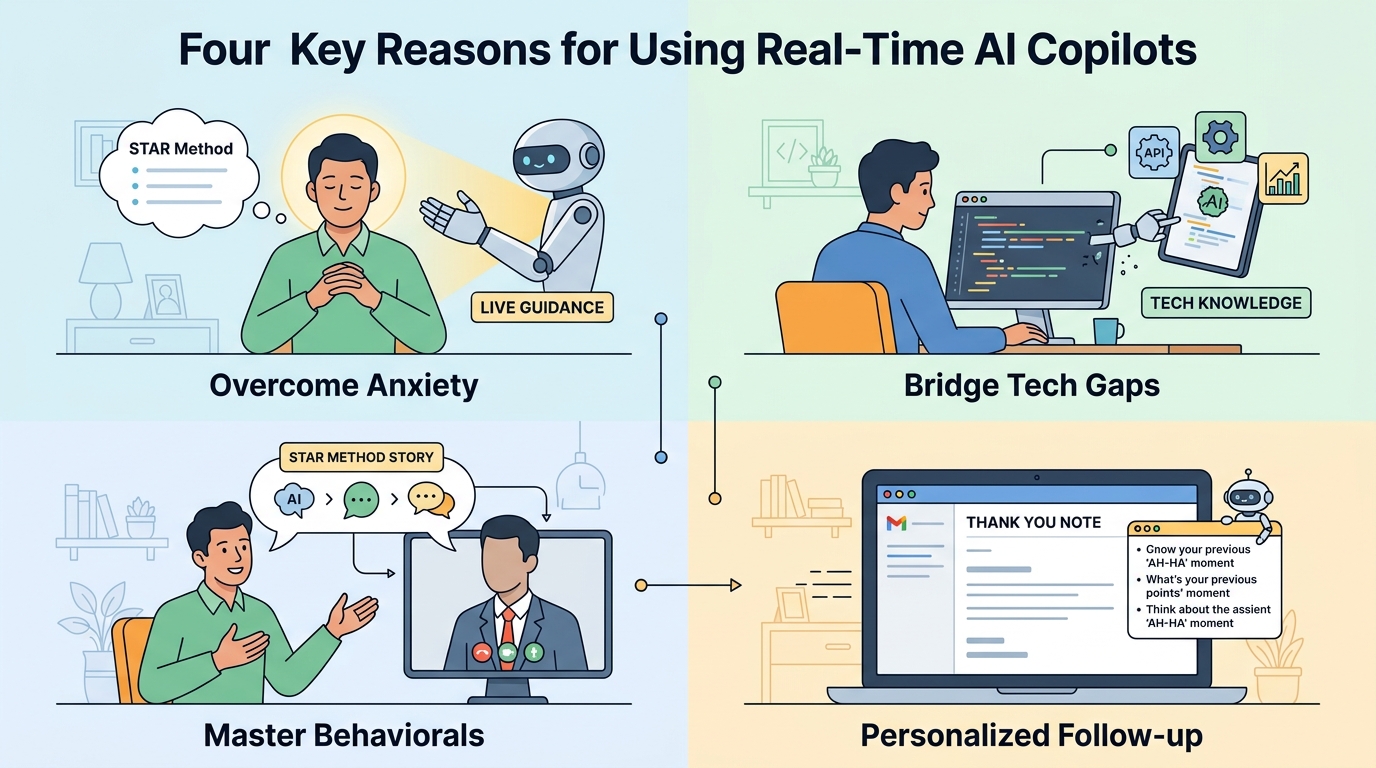
1. Overcoming the "Interview Anxiety" Hurdle
Even the most qualified candidates can suffer from "interview fog." The pressure to deliver a perfect, articulate answer on the spot—while maintaining eye contact and body language—is immense.
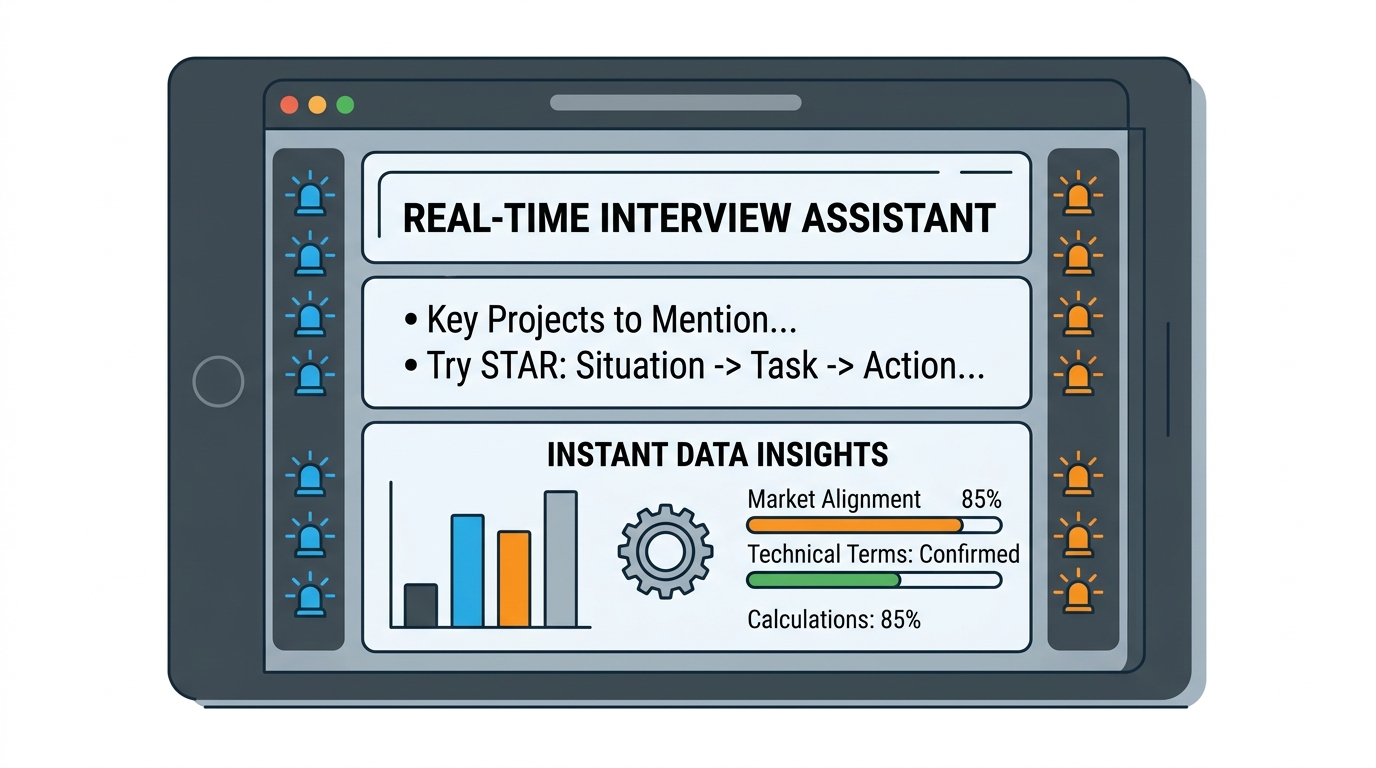
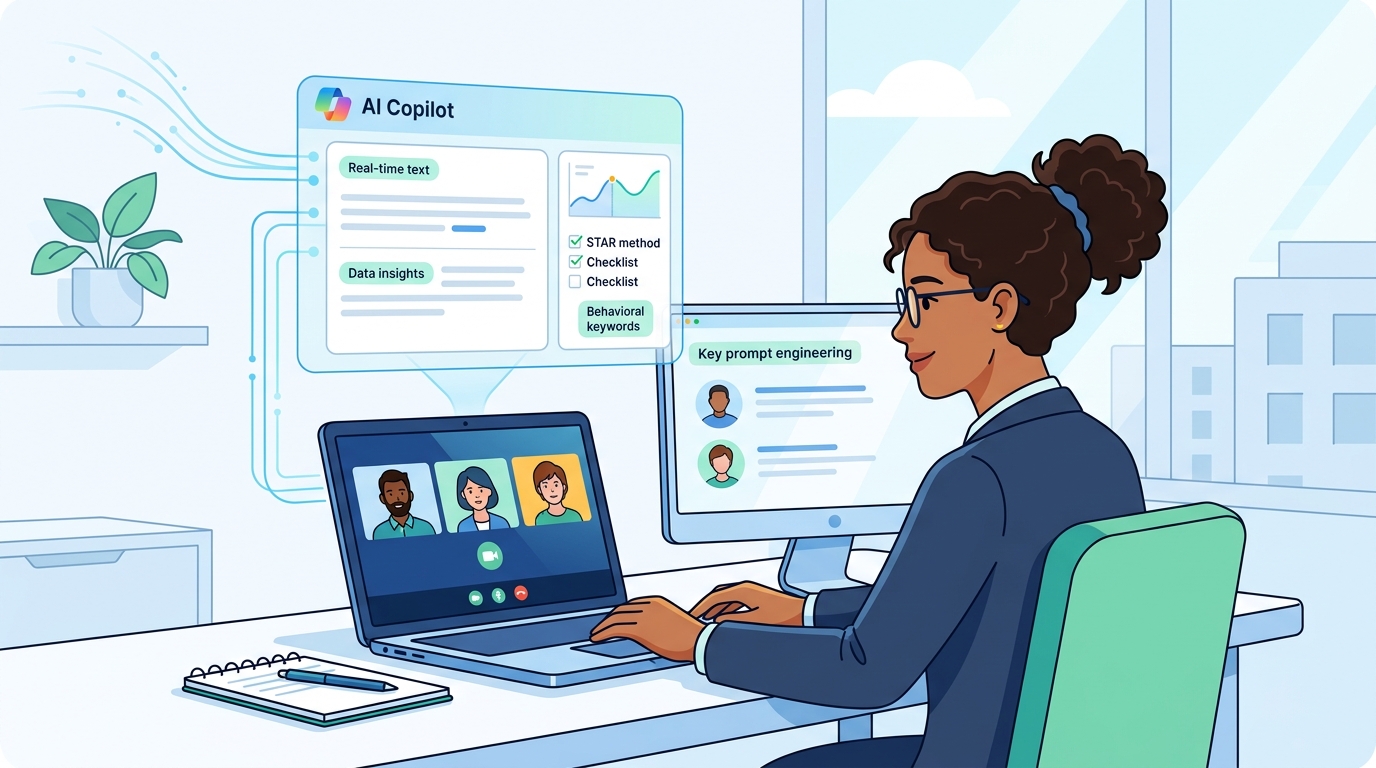
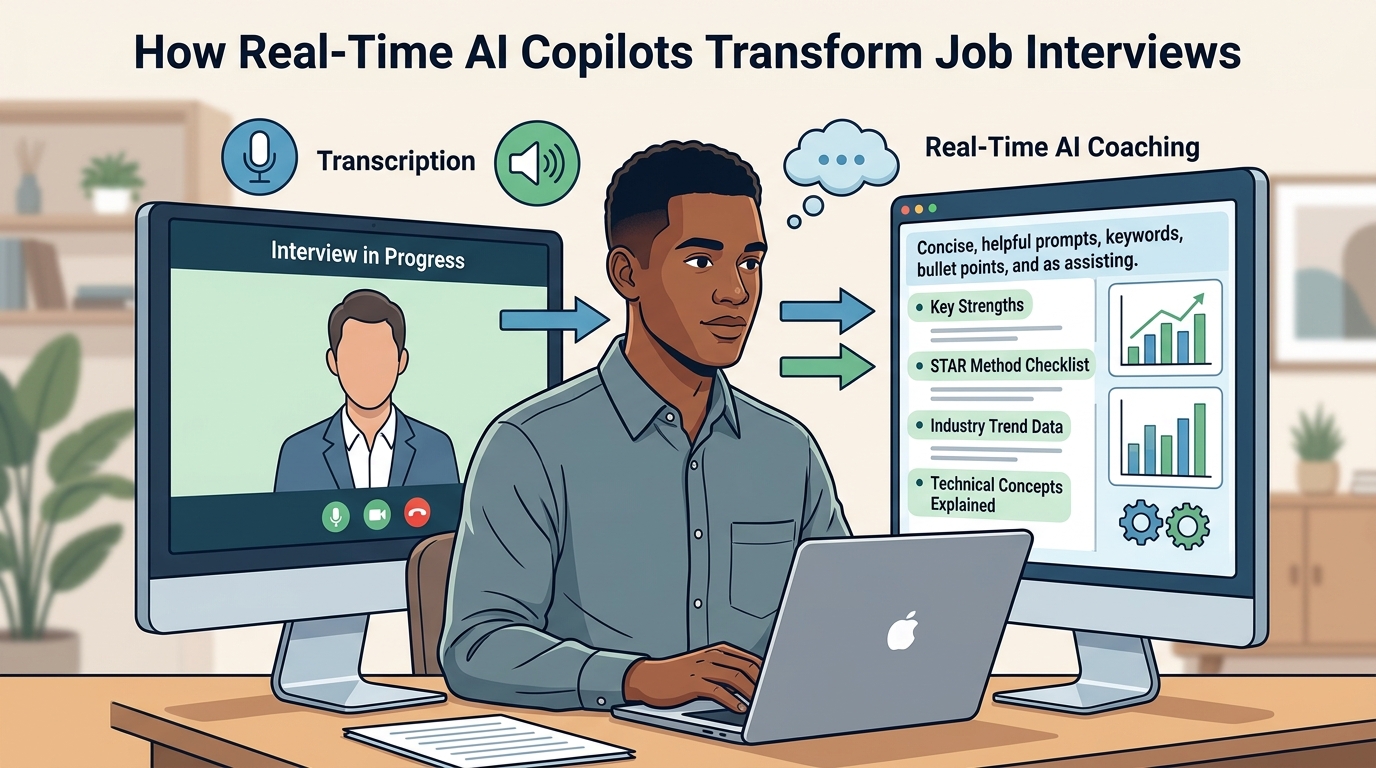
Real-Time AI Copilots act as a digital safety net. By transcribing interview questions in real-time and surfacing bulleted talking points on a secondary monitor, these tools help candidates maintain their train of thought. It’s like having an executive assistant whisper the best possible answer just when you need it most.
2. Bridging the Technical Gap
In industries like software engineering, data science, or digital marketing, the technical breadth required is massive. It’s impossible to memorize every framework, API library, or industry metric.
AI Copilots allow candidates to demonstrate a broader depth of knowledge by pulling relevant data points, case studies, or technical documentation during the call. This enables the applicant to focus on high-level strategy and problem-solving, rather than stumbling over syntax or obscure definitions.
3. Mastering Behavioral Questions
Behavioral questions (e.g., "Tell me about a time you handled conflict") are notoriously difficult to answer effectively without preparation. Candidates who use AI are leveraging advanced prompt engineering to ensure their stories follow the STAR method (Situation, Task, Action, Result).
By feeding their past project experiences into an AI tool beforehand, they can ask the Copilot to extract the most relevant "story" based on the question currently being asked by the interviewer.
4. Personalized Post-Interview Follow-ups
The journey doesn’t end when the Zoom call drops. AI Copilots can generate highly personalized follow-up emails in seconds, summarizing the conversation and highlighting specific "Aha!" moments from the discussion.
When a recruiter receives a tailored, insightful follow-up within 15 minutes of the interview, it signals professionalism, active listening, and enthusiasm—all critical traits that differentiate one candidate from a pool of fifty others.
The Ethics and Strategy
While AI offers a clear tactical advantage, it is important to remember that tools are meant to augment, not replace, your authentic self.
The most successful job seekers treat AI as a coach, not a script-reader. If you rely too heavily on the software, you risk losing the human connection that hiring managers look for. The key to using these tools is:
Integrity: Ensure you understand the underlying concepts suggested by the AI.
Practice: Use the tools in low-stakes mock interviews first.
Focus on Value: Let the AI provide the data, but deliver the answer with your unique personality and lived experience.
Final Thoughts
As AI continues to reshape the workforce, the way we apply for jobs is evolving just as rapidly. Integrating a Real-Time AI Copilot into your toolkit isn't just about cheating the system; it’s about leveling the playing field and ensuring that your qualifications shine through the noise.
If you want to land your next big offer, maybe it’s time you let a little AI help you tell your story.