How Non-Native Speakers Can Use AI to Ace Interviews
For many non-native English speakers, the technical skills for a job aren’t the hurdle—it’s the interview itself. The anxiety of searching for the right vocabulary, perfecting the cadence, and managing professional nuance while under pressure can be daunting.
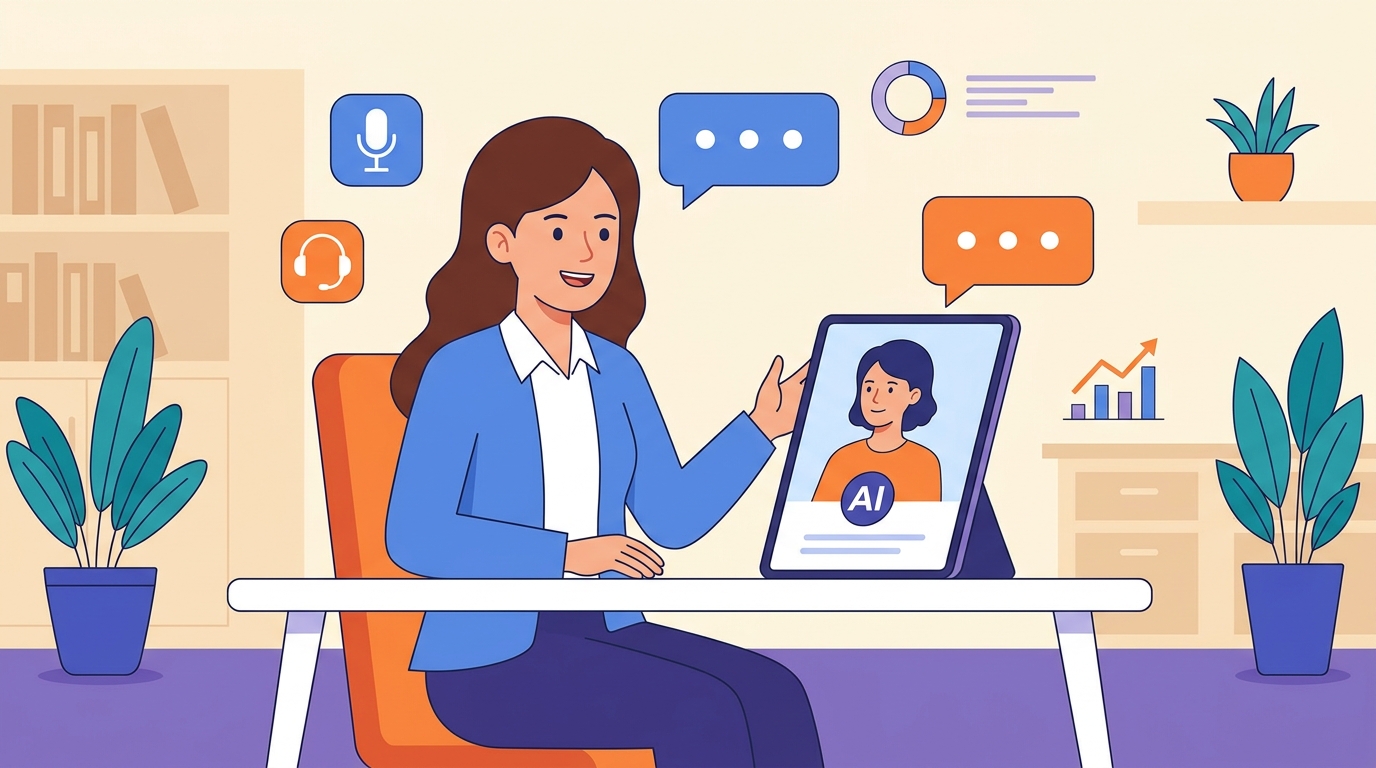
However, we are living in the golden age of Artificial Intelligence. Today, AI isn't just for coding or writing; it’s the ultimate personal career coach. Here is how you can use AI to bridge the language gap and walk into your next interview with confidence.
1. Practice Conversation with "Human-Like" AI
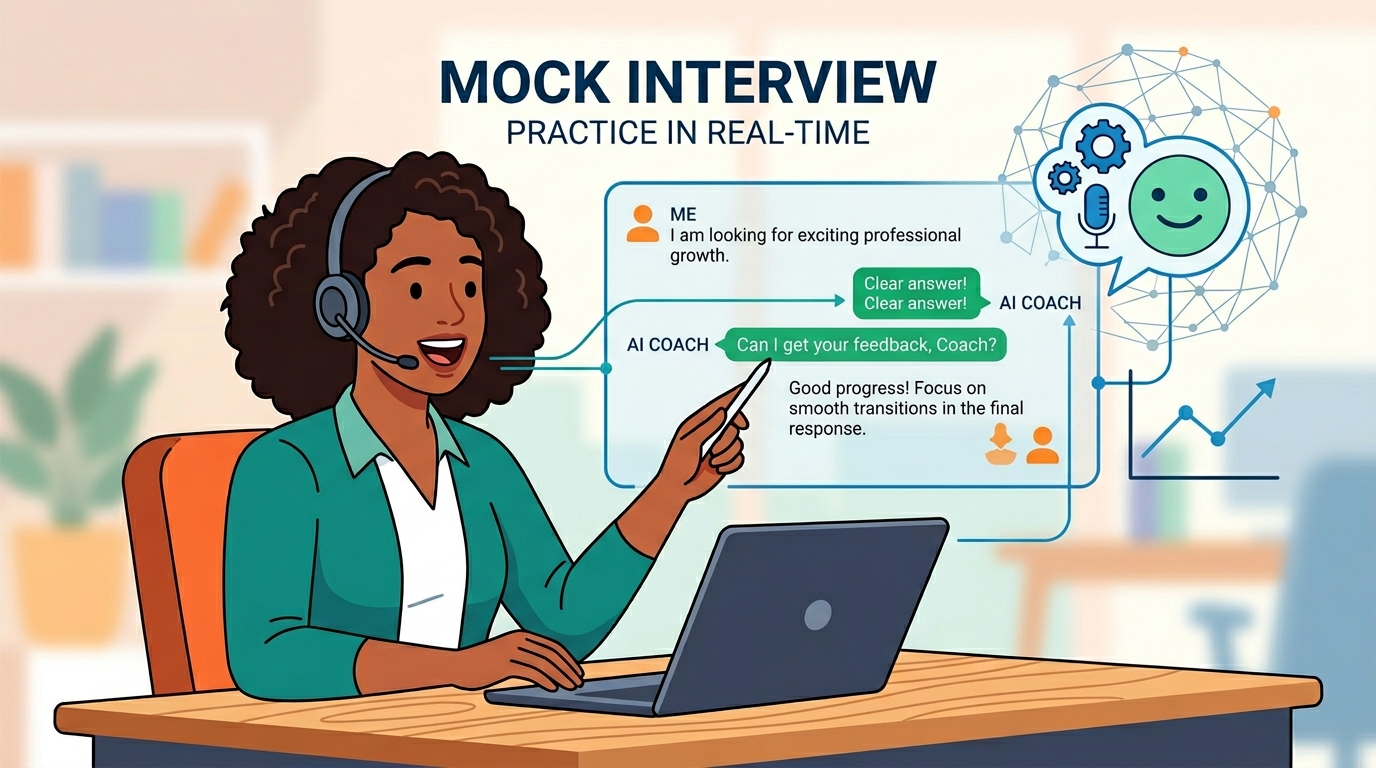
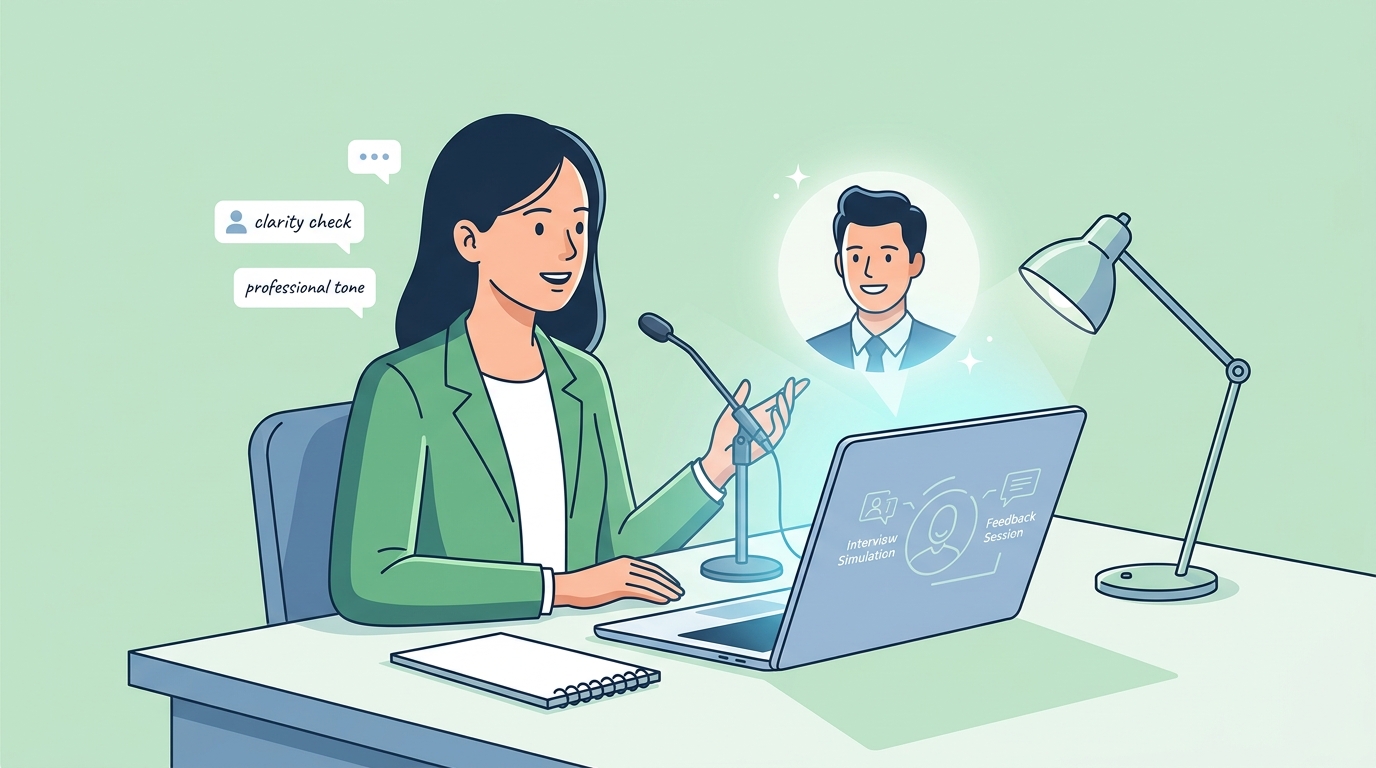
One of the biggest challenges for non-native speakers is the "real-time" aspect of speaking. You need to react quickly to unpredictable questions. Tools like ChatGPT’s Voice Mode or specialized AI interview platforms allow you to conduct mock interviews.
Pro Tip: Don’t just ask for generic interview questions. Use this prompt: "Act as a hiring manager for a [Job Title] role at a [Company/Industry]. Ask me one question at a time, wait for my response, and provide feedback on my clarity, professional tone, and vocabulary choice."
2. Refine Your "Star" Stories with AI Polish
The STAR method (Situation, Task, Action, Result) is standard for interviews. However, framing your success in a foreign language can be tricky. You might know exactly what you did, but struggle to choose the "action verbs" that make a strong impact.
Use AI to edit your stories. Paste your raw explanation into an AI and ask:
"Rewrite this story to make it sound more professional and concise for a job interview."
"Which powerful action verbs can I use to replace the word 'did' in this paragraph?"
3. Reduce "Filler" Words and Improve Pronunciation
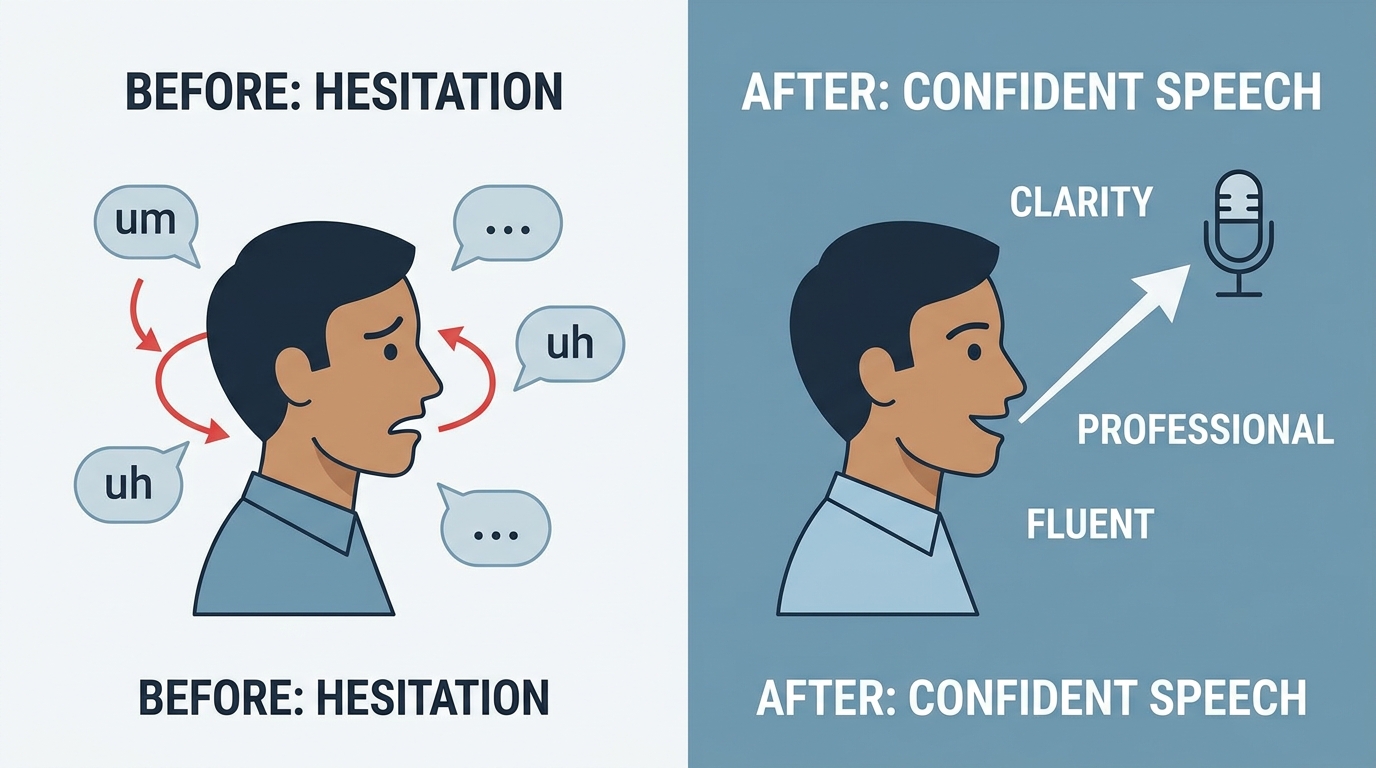
Non-native speakers often rely on filler words (like "um," "uh," "you know") while searching for the right English term. AI tools like Yoodli or even simple transcription software can analyze your recordings.
By reviewing the transcripts of your mock interviews, you can identify exactly which concepts cause you to hesitate. Once identified, you can practice those specific phrases repeatedly until they become muscle memory.
4. Master Cultural and Contextual Nuance
English isn't just about grammar; it’s about context. Sometimes, the way you answer a question is just as important as the answer itself. AI can help you understand the intent behind questions.
If you’re worried about sounding too blunt or too wordy, ask your AI coach:
"In an American workplace, how do I explain a failure without sounding like I’m lacking accountability?"
"How can I express that I’m passionate about a project using professional business English?"
5. Build Your Vocabulary "Cheat Sheet"
Create a list of industry-specific jargon that you frequently see in job descriptions. Ask an AI to create a "Study List" of these terms along with professional sentence starters you can use to bridge ideas.
Example of an AI-generated bridge phrase:
"That’s a great question; in my previous role, I approached a similar challenge by..."
The Golden Rule: Don't Memorize
While AI is perfect for drafting and practicing, do not memorize scripts. If you sound robotic, you lose your personality—and companies hire people, not algorithms. Use AI to build your "frameworks," but keep the delivery human.
The goal isn't to sound like a native speaker—it’s to communicate your value effectively and confidently. With AI as your training partner, you’re not just learning English; you’re sharpening your ability to shine in the global workforce.
Ready to start? Pick a job description you love, open your AI of choice, and run your first mock interview today!